Strong communication is the foundation of every successful team. Yet as businesses grow, communication often becomes more complex and less effective. Misunderstandings increase, messages get lost, and team members can begin to feel disconnected from one another.
Behavioural assessment training offers a practical way to solve this challenge. By helping individuals understand how they communicate and how others prefer to receive information, teams can dramatically improve clarity, collaboration, and overall performance. One of the most effective tools for achieving this is DISC Profiling.
Why Communication Breaks Down in Teams
Communication issues are rarely about a lack of effort. More often, they stem from differences in behavioural styles. People process information differently, respond to pressure in unique ways, and have varying expectations around communication.
For example, one team member may value quick, direct conversations, while another prefers detailed explanations and time to reflect. Without awareness of these differences, even simple interactions can lead to frustration or confusion.
Behavioural assessment training helps teams identify these differences and turn them into strengths.
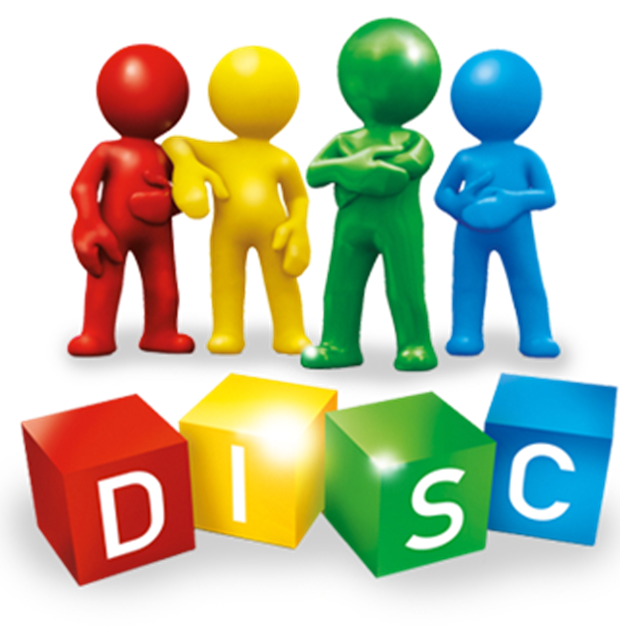
Understanding the DISC Framework
DISC Profiling categorises behaviour into four main styles, each with its own communication preferences:
Dominance (D): Prefers direct, results focused communication
Influence (I): Enjoys enthusiastic, engaging, and people oriented conversations
Steadiness (S): Values calm, supportive, and consistent communication
Compliance (C): Prefers detailed, logical, and structured information
By understanding these styles, team members can begin to recognise not only their own communication habits, but also how those habits may be received by others.
Building Self Awareness First
Improving communication starts with self awareness. Behavioural assessment training helps individuals understand their natural tendencies, including how they speak, listen, and respond in different situations.
For example, someone with a high Dominance style may realise they tend to rush conversations and overlook details. A high Compliance individual might recognise they can overwhelm others with too much information.
This awareness allows each person to make conscious adjustments that improve how their message is received.
Adapting Communication to Others
One of the most powerful outcomes of behavioural training is the ability to adapt communication styles. Rather than expecting others to adjust, team members learn to meet people where they are.
In practice, this might look like:
• Keeping messages brief and focused when speaking with a high Dominance colleague
• Using a friendly and engaging tone with high Influence personalities
• Providing reassurance and clarity to those with a Steadiness style
• Offering detailed explanations and data for Compliance driven individuals
These small adjustments can have a significant impact on how effectively messages are understood.
Creating a Shared Language
Another key benefit of behavioural assessment training is that it gives teams a shared language to talk about communication.
Instead of vague feedback like “we need to communicate better,” teams can have more specific and constructive conversations. For example, a team member might say they need more detail to feel confident, or that they prefer quicker updates to stay on track.
This shared understanding reduces defensiveness and makes feedback more actionable.

Strengthening Collaboration and Reducing Conflict
Miscommunication is one of the leading causes of workplace conflict. When people feel misunderstood or overlooked, tensions can rise quickly.
Behavioural assessment training helps teams interpret behaviour more accurately. Instead of assuming negative intent, team members learn to see actions through the lens of different behavioural styles.
This shift in perspective can:
• Reduce unnecessary conflict
• Improve problem solving
• Build trust across the team
• Encourage more open and respectful conversations
When people feel understood, they are more likely to contribute and collaborate effectively.
Embedding Behavioural Insights into Daily Work
To see lasting results, behavioural insights need to be applied consistently. This means integrating what the team learns into everyday interactions.
Leaders play a crucial role here. By modelling adaptive communication and reinforcing behavioural awareness, they set the tone for the entire team.
Simple actions can make a big difference, such as tailoring meeting styles, adjusting feedback approaches, and encouraging open discussions about communication preferences. Over time, these habits create a culture where effective communication becomes the norm rather than the exception.

Why DISC is a Practical Choice
There are many behavioural assessment tools available, but DISC stands out because of its simplicity and real world application. It focuses on observable behaviours, making it easy for teams to understand and use immediately.
Rather than being overly complex or theoretical, DISC provides clear, actionable insights that can be applied in conversations, meetings, and collaboration across all levels of the business.
Ready to Improve Communication in Your Team?
If your team is experiencing communication challenges or you want to create a more connected and collaborative workplace, behavioural assessment training is a powerful solution. To find out more about our DISC Training Programs, click here.
Contact Healthy Business Builder today to learn how tailored DISC Profiling can help your team communicate more effectively and perform at their best.
Call 1300 833 574 or Email info@hbbausgroup.com.au
Author – Garret Norris – https://www.linkedin.com/in/garretnorris/