Why strategic planning, systems and leverage are often more effective than simply increasing workload
For years, the business had operated on the same philosophy. If we want better results, we just need to work harder. Need more sales? Make more calls. Behind on administration? Stay back later. Too many customer enquiries? Work through them on the weekend. The sales team was busy. The owner was exhausted. Everyone seemed to be working harder than ever. But the results weren’t improving at the same rate.
Eventually, they reached a frustrating realisation. Working harder wasn’t the answer. The problem wasn’t a lack of effort. The problem was how that effort was being used.
Busy doesn’t always mean productive
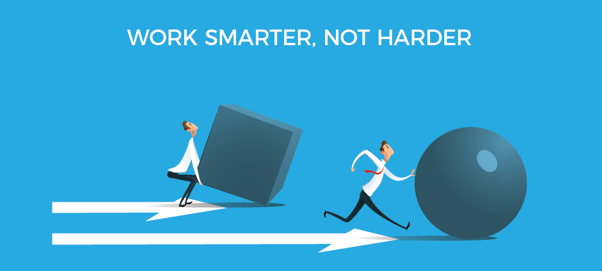
One of the biggest traps for growing businesses is confusing activity with progress. A salesperson can make dozens of calls without having meaningful conversations. A sales manager can spend hours in meetings without actually improving team performance. A business owner can work 60 hours a week without spending enough time on the activities that genuinely drive growth. Being busy can feel productive because there is always something happening.
But the more important question is:
Are we working on the right things?
Strategic planning helps businesses step back from the day-to-day activity and identify where time, people and resources will have the greatest impact. Instead of simply asking, “How can we do more?”, businesses need to start asking, “What should we be doing differently?”
The problem with doing everything manually
As a business grows, the systems that worked when the team was small can quickly become a liability.
• Information might live in spreadsheets.
• Customer follow-ups might depend on individual salespeople remembering to make a call.
• Quotes might require several people to approve them.
• New employees might learn processes simply by watching someone else.
The business can still function, but it becomes increasingly dependent on individual effort. That’s where systems can create leverage. A well-designed sales process, CRM, customer follow-up system, reporting structure or onboarding process can help reduce unnecessary repetition and create greater consistency. The goal isn’t to remove the human element. It’s to make sure people are spending their time where it creates the most value.
What is leverage in business?
Leverage is essentially about getting more from the resources you already have. That could mean technology doing repetitive administrative work.
• It could mean a sales process that allows salespeople to spend more time selling and less time figuring out what to do next.
• It could mean training a sales manager to coach their team effectively instead of the business owner constantly stepping in.
• It could mean documenting a process once so that everyone doesn’t have to reinvent it.
• Or it could mean focusing the sales team’s time on the customers and opportunities most likely to create value.
Leverage allows a business to increase its impact without simply increasing its workload. The sales team was working harder, but the pipeline wasn’t improving. This is particularly relevant when it comes to sales. Imagine a sales team that is under pressure to increase revenue. The first response might be to tell everyone to make more calls. So the team makes more calls. But if they are targeting the wrong prospects, having weak conversations, failing to qualify opportunities or not following up consistently, more activity won’t necessarily produce better results. In fact, it can create frustration.
The better question might be:
• Are we targeting the right customers?
• Are salespeople spending enough time with high-value opportunities?
• Do we have a consistent prospecting process?
• Are we asking enough quality questions?
• Are we clearly communicating value?
• Are we following up effectively?
• Are managers coaching salespeople on the behaviours that actually influence results?
The answer may not be more calls. It may be better calls.

Strategy creates direction
Strategic planning provides something that working harder cannot: direction. Without a clear strategy, businesses can easily fall into a cycle of reacting to whatever is most urgent. The loudest customer gets attention. The newest opportunity becomes the priority. The latest problem takes over the day.
Before long, the business is constantly moving but not necessarily moving towards a clearly defined goal. A strategic approach helps establish priorities.
• What are we trying to achieve?
• Which customers matter most?
• Which products or services offer the greatest opportunity?
• Where should the sales team focus?
• What activities should we stop doing?
• What needs to change to achieve the desired result?
Once those questions are answered, the business can align its time and resources around them.
Systems create consistency
Strategy tells you where you’re going. Systems help determine how you get there consistently. This is particularly important as a business grows. You don’t want your best salesperson to be the only person who knows how to prospect effectively. You don’t want one manager to be the only person who knows how to coach the team. You don’t want customer follow-up to depend on someone’s memory. And you don’t want the owner to be the person
everyone relies on whenever something goes wrong. Good systems create
repeatability. They make the right
behaviours easier to understand, measure and maintain.
Training turns systems into behaviours
There is another important piece of the puzzle. You can create the perfect sales process, but it won’t deliver results if your sales team doesn’t know how to use it. This is where sales training becomes important. Training can help salespeople understand not only what they should do, but how to do it effectively.
For example, a sales process might require a salesperson to uncover customer needs before presenting a solution. Training can develop the questioning and listening skills needed to actually achieve that.
A CRM might require consistent follow-up. Training can help salespeople understand how to structure effective follow-up conversations.
A business might want its sales team to sell on value rather than discounting. Training can give salespeople the skills to communicate benefits, value and differentiation with confidence.
The system creates the framework, training helps people make the framework work.
The owner finally stopped asking, “How can we do more?”
The turning point for this business came when the owner stopped asking the team to simply do more. Instead, the questions changed.
• What is working?
• What’s wasting time?
• Where are we losing opportunities?
• What can we systemise?
• Where should our salespeople be spending their time?
• What skills does the team need to improve?
The business didn’t suddenly become less ambitious. It became more deliberate.
The team stopped measuring success purely by how busy they were and started focusing more closely on outcomes. And something interesting happened. They didn’t necessarily need to work more hours. They needed to make better decisions about where those hours went.
Sometimes the answer isn’t another 10 hours
For business owners and sales leaders, this can be a powerful mindset shift. When results aren’t where you want them to be, the instinct is often to increase the workload.
• More calls.
• More meetings.
• More hours.
• More activity.
But before adding more to everyone’s plate, take a step back. Ask whether the existing activity is producing the desired outcome.
Because sometimes the answer isn’t:
“We need to work harder.”
It’s:
“We need a better strategy.”
“We need a better system.”
“We need to focus our resources differently.”
“We need to develop the skills of our people.”
The goal isn’t to build a business where everyone works harder just to keep up. The goal is to build a business where strategy, systems, people and sales capability work together to create better results.
Ready to help your sales team work smarter?
If your sales team is working hard but you’re not seeing the results you’d expect, it may be time to look beyond activity and examine the strategy, systems and skills behind your sales performance. Click here to read more about how Sales Training can strengthen your Sales Team.
Contact Healthy Business Builder today to discuss tailored Sales Training options for your sales team and discover how targeted development can help turn effort into stronger sales results.
Call 1300 833 574 or Email info@hbbausgroup.com.au
Author – Garret Norris – https://www.linkedin.com/in/garretnorris/