If you have ever invested in sales training only to see enthusiasm fade a few weeks later, you are not alone. Many businesses put time, money, and energy into developing their sales teams, yet struggle to see lasting change. One of the biggest reasons for this is a misunderstanding around coaching versus sales team training.
They are often treated as interchangeable, but they are not the same thing. In fact, the strongest sales teams in 2026 understand that coaching and sales team training play very different roles. When used together, they create clarity, consistency, and long-term performance improvement. When used in isolation, results are often short-lived. Let’s discuss why you need both for the best results.
What Sales Team Training Actually Does
Sales team training is about building capability at scale. It provides your salespeople with shared knowledge, skills, and frameworks that create consistency across the team. Training typically focuses on things like sales process, questioning techniques, handling objections, prospecting strategies, negotiation skills, and pipeline management.
Good sales team training gives everyone the same language and expectations. It sets the standard for how sales should be done in your business. This is especially important for growing teams, onboarding new starters, or resetting performance when results have stalled.
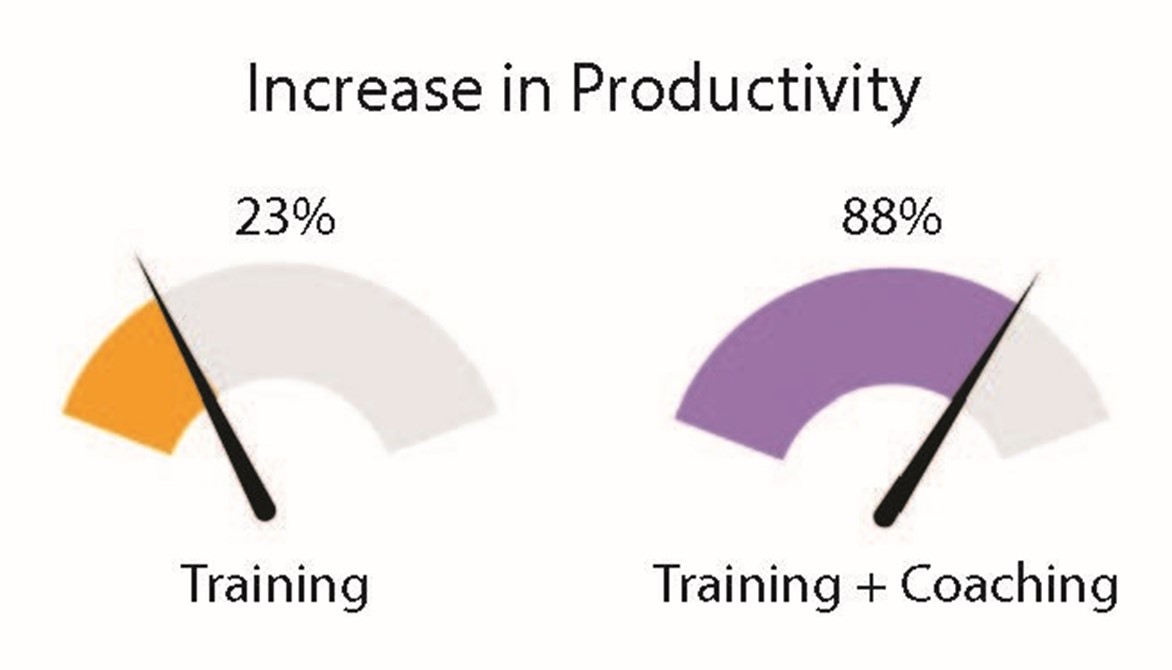
However, sales training on its own has a limitation. It teaches people what to do, but it does not always ensure they actually do it consistently under pressure.
What Coaching Brings to the Table
Coaching is where the real behaviour change happens. While training is often delivered to groups, coaching is more personalised. It focuses on the individual salesperson, their strengths, their blind spots, and the specific challenges they face in their role.
Sales coaching helps people apply what they have learned in training to real conversations, real deals, and real customers. It allows managers or coaches to observe, ask questions, and guide salespeople toward better decisions rather than simply telling them what to do.
In 2026, high-performing sales teams are placing a strong emphasis on coaching because it builds confidence, accountability, and ownership. Coaching turns theory into practice and helps salespeople refine their skills over time. Without coaching, even the best sales training can sit unused.
Why Training Without Coaching Falls Short
One of the most common issues businesses face is investing in sales team training and expecting it to fix performance on its own. The reality is that people revert to old habits when things get busy or targets feel overwhelming.
Without regular coaching, salespeople may understand the concepts but struggle to apply them consistently. Managers may also default to managing numbers rather than coaching behaviours, simply because they are not equipped to do so. Training sets the direction, but coaching keeps people on track.
Why Coaching Without Training Has Limits
On the other hand, coaching without a strong training foundation can also be problematic. If every salesperson is coached differently without a shared framework, inconsistency creeps in. One person may be coached on questioning, another on closing, and another on prospecting, all without a common language or structure.
Sales team training creates alignment. Coaching then reinforces that alignment at an individual level. Together, they ensure everyone is working toward the same goals in the same way.
How Coaching and Sales Team Training Work Best Together
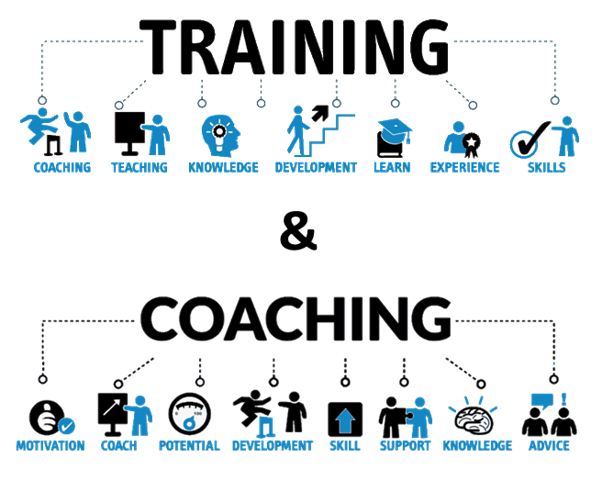
The most effective approach is to view sales team training and coaching as complementary, not competing. Training introduces skills, tools, and expectations. Coaching reinforces those skills, helps salespeople overcome obstacles, and embeds the behaviours into daily routines.
For example, a sales training program might focus on improving discovery conversations. Coaching sessions can then review real calls, provide feedback, and help salespeople adjust their approach. Over time, this leads to stronger conversations, better-qualified opportunities, and improved results.
Businesses that see strong sales performance are those that commit to ongoing development rather than one-off initiatives.
The Role of Leaders in Making It Work
Sales leaders play a critical role in bringing coaching and training together. They need to model the behaviours, support the learning, and create an environment where development is part of the culture, not a tick-the-box exercise.
When leaders are trained to coach effectively, sales team training becomes far more impactful. People feel supported rather than judged, and improvement becomes a shared goal.

Ready to Strengthen Your Sales Team in 2026?
If you want sales team training that builds capability and coaching that drives real behaviour change, Healthy Business Builder can help. We design tailored training and coaching programs that work together to improve confidence, consistency, and performance across your sales team.
To read more about the importance of investing in the right Training Program for your Sales Team, click here.
Contact Healthy Business Builder today to discuss tailored training and coaching programs for your sales team and set your business up for stronger results in 2026 and beyond.
Call us today on 1300 833 574 or send us an email to info@hbbausgroup.com.au
Author – Garret Norris – https://www.linkedin.com/in/garretnorris/